Unraveling the CDC Crisis: Leadership Shakeup and Controversy at the Top
CDC in Turmoil: Abrupt Leadership Shakeup Sparks Controversy and Resignations
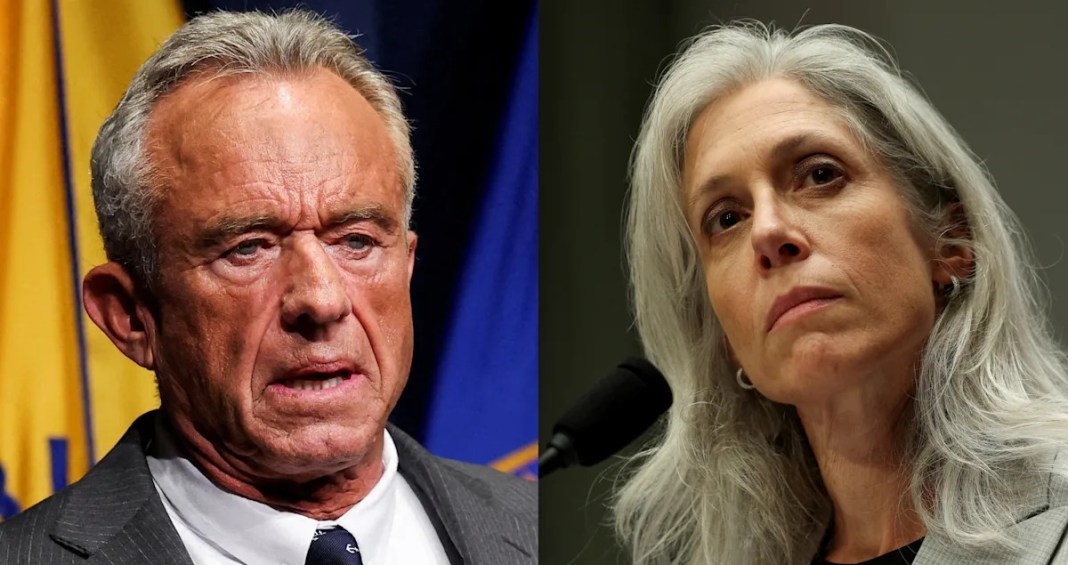
In a dramatic turn of events, the Centers for Disease Control and Prevention (CDC) found itself engulfed in chaos late Wednesday night following the abrupt firing of its newly appointed director, Susan Monarez. Just weeks into her tenure, Monarez’s dismissal has ignited a firestorm of legal disputes and accusations, leaving the agency’s future uncertain.
The Health and Human Services (HHS) department announced via social media that Monarez was no longer leading the CDC. However, within hours, her legal team countered, asserting that she had not been fired and would not resign. They argued that only President Trump has the authority to terminate her position, not HHS Secretary Robert F. Kennedy Jr.
“Monarez chose to protect public health over political agendas, and for that, she has been targeted,” her lawyers stated, highlighting the tensions between the CDC and the current administration.
The White House later confirmed Monarez’s dismissal, citing a lack of alignment with the President’s “Make America Healthy Again” agenda. Yet, Monarez’s legal team maintained that this announcement did not constitute a valid termination, as it lacked the President’s direct involvement.
As the dust settled, four other senior CDC officials resigned in protest, expressing frustration over what they described as the “weaponization of public health” under Kennedy’s leadership. Demetre Daskalakis, who oversaw national vaccination strategies, stated, “I am not able to serve in this role any longer because of the ongoing weaponization of public health.”
Kennedy, who has faced scrutiny for his controversial views on health and vaccines, declined to comment on personnel matters but acknowledged that the CDC is in need of significant reform.
Background: A Controversial Leadership Choice
Kennedy’s appointment as HHS Secretary was contentious, with a narrow Senate confirmation that saw all Democrats opposing him. His tenure has been marked by mass layoffs at the CDC and a shift towards policies that often contradict established medical consensus, particularly regarding vaccines.
Monarez, a respected infectious disease researcher, was Trump’s second choice for CDC director after the withdrawal of his first nominee due to concerns over vaccine-related comments. Her brief time in office was marred by escalating tensions, particularly following a violent incident at the CDC’s Atlanta headquarters linked to anti-vaccine extremism.
What Lies Ahead?
The future of the CDC remains in limbo as Trump has the power to formally end Monarez’s tenure at any moment. The White House has indicated that a replacement will be announced soon, but the fallout from this scandal may extend beyond personnel changes.
Senator Bill Cassidy, who chairs the Senate committee overseeing health issues, has called for congressional oversight in light of the high-profile resignations, suggesting that the implications of this leadership crisis could resonate throughout the government.
As the situation unfolds, the CDC faces a critical juncture, with its credibility and mission hanging in the balance amidst a backdrop of political strife and public health challenges.


