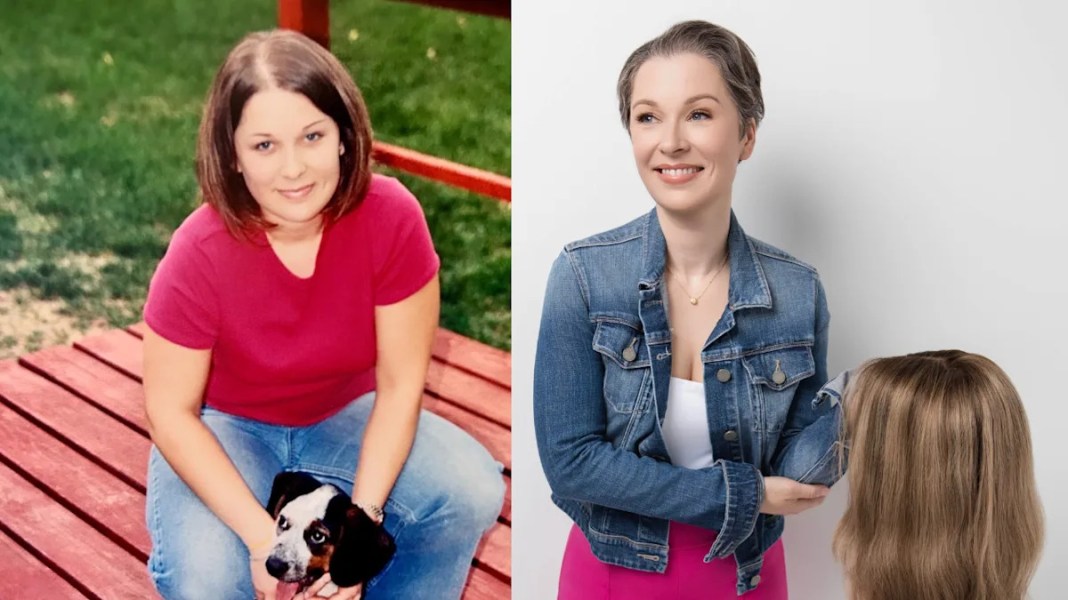
Overcoming Hair Loss: Tami Wong’s Journey from Insecurity to Advocacy
From Isolation to Empowerment: Tami Wong’s Journey Through Hair Loss
Vancouver, BC – At just 15 years old, Tami Wong faced a challenge that would shape her life in unexpected ways. After starting a new acne medication, she noticed alarming changes: her hair was thinning, breaking easily, and her part was widening. “It was an odd thing to happen when you’re that young,” Wong recalls. “I just didn’t really understand what was going on.”
As a teenager, Wong felt isolated and deeply insecure. In a world where fitting in is paramount, she resorted to drastic measures to conceal her hair loss—cutting her hair short, wearing it up, and using hair-building fibers to mask the thinning spots. “I was really ashamed of it,” she said. “As a teenager, you’re so self-conscious. You just want to be normal.”
The emotional toll of her hair loss extended into her dating life, where she constantly feared that her secret would be discovered. “Having hair loss, I felt very different. I felt ugly, I felt unlovable,” Wong shared. “I told myself for years that I was going to be alone forever.”
Her worst fears came true when she finally mustered the courage to disclose her hair loss to a boyfriend, who initially reassured her it didn’t matter. Days later, he broke up with her, reinforcing her belief that no one would accept her for who she was.
At 23, Wong sought answers from a doctor, only to receive a diagnosis of androgenic alopecia, a common form of hair loss. “Basically, my hair follicles were dead and would not grow back,” she said, describing the news as “devastating.” For six more years, she kept her hair loss a secret from her partners, waking up early to conceal the thinning spots.
The emotional burden weighed heavily on her mental health. “Hair is such a part of our identity and our femininity. It is how we present ourselves to the world,” Wong explained. “When you lose your hair, you feel like you lose part of that identity.”
It wasn’t until she was 28 that Wong began dating someone new and felt ready to share her story. To her surprise, he responded with acceptance: “I don’t care at all that you have hair loss. That’s not why I’m with you.” Fifteen years later, they are happily married with two children.
Now, Wong is the founder of Hair Loss Pride, an online community dedicated to supporting teens and women experiencing hair loss. As September marks Alopecia Awareness Month, she aims to raise awareness about the stigma surrounding hair loss in young women. “There was this huge gap where women were not being supported emotionally and mentally through hair loss,” she said. “It’s very traumatic and isolating.”
According to the Canadian Dermatology Association, approximately 40% of women will experience some form of hair thinning by the age of 50. Wong’s mission is to strip away the shame and stigma associated with hair loss, reminding women that they are not alone in their struggles.
“Let’s strip away the shame and stigma, because there’s nothing wrong with you,” she urges. “You are one of millions of women going through this.”
Wong also emphasizes the need for better training for healthcare providers to approach female hair loss with compassion and understanding. “When you feel dismissed by your doctor, it can feel really awful,” she said. “It makes a woman feel very unsupported and alone.”
As Wong continues her advocacy, she hopes to empower women to embrace their identities, regardless of their hair. “Hair loss in women has really become a growing concern,” says Harry Josh, a celebrity hairstylist. “We’re seeing more people experiencing it for a variety of reasons.”
For those noticing early signs of hair loss, Josh recommends using nourishing hair products and considering hair growth supplements. He also emphasizes the importance of scalp health, suggesting regular brushing to stimulate blood flow.
As Wong’s journey illustrates, hair loss is not just a physical challenge; it’s an emotional one that requires understanding, support, and community. Through her work, she hopes to foster a sense of belonging for women navigating similar experiences, proving that they are never truly alone.


