
The Business of Hair: Embracing Community-Centered Haircare Brands for Authentic Connection and Growth
The Business of Hair: How Community-Centered Brands Are Transforming the Industry
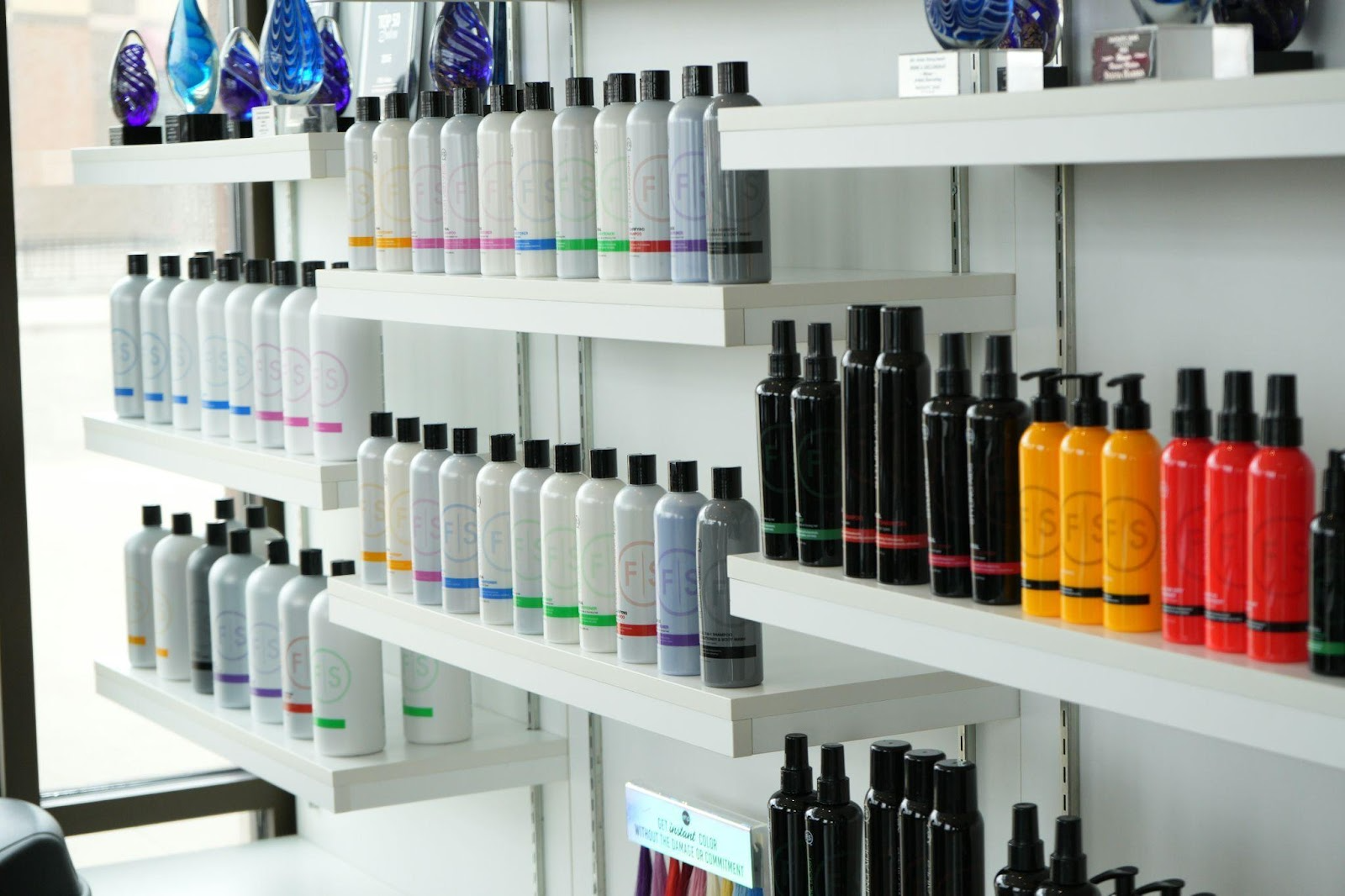
Hair has always been more than just strands; it embodies identity, culture, and confidence. In recent years, a significant shift has emerged within the beauty industry: consumers are increasingly gravitating towards haircare brands that resonate with their communities and values. One standout example is Rennora Beauty, a brand that exemplifies how community-centered approaches are redefining business models and consumer loyalty. These companies are not merely selling products; they are forging cultural connections.
The Rise of Purpose-Driven Beauty
For decades, the mainstream beauty industry has adhered to narrow standards, often sidelining entire demographics. This gap has paved the way for community-centered haircare brands that prioritize inclusivity and authenticity. These purpose-driven businesses aim not only to provide products but also to address real challenges faced by their audiences.
According to McKinsey & Company, inclusivity in beauty is no longer optional; it’s a business imperative. Brands that fail to represent diverse needs risk alienating significant segments of potential customers. Conversely, those that embrace diversity foster loyalty and long-term growth.
Why Community Connection Matters
At its core, community-centered branding transcends mere sales; it’s about belonging. Consumers want to see themselves reflected in the products they use, the campaigns they watch, and the stories brands tell. Haircare choices often connect to cultural heritage, lifestyle, and self-expression. Brands that grasp this connection go beyond transactions; they cultivate relationships.
This model diverges sharply from traditional top-down marketing. Instead of dictating beauty standards, community-centered brands listen to consumers, incorporate feedback, and evolve alongside their audience’s needs.
Building Trust Through Representation
Representation builds trust. When consumers see themselves in a brand’s imagery, product lines, and narratives, they feel understood. This trust translates into loyalty, an invaluable asset in an industry overflowing with options.
Community-centered brands often build trust through:
- Authentic Imagery: Featuring real customers, diverse models, and relatable storytelling.
- Tailored Product Design: Crafting solutions for specific hair textures, growth patterns, or scalp health needs.
- Engagement: Actively participating in community events, forums, and social media conversations.
This focus on representation encourages customers not just to make a purchase but to advocate for the brand within their circles.
Social Media as the New Marketplace
In the digital age, community thrives online. Social media platforms have amplified the voices of underrepresented consumers, creating spaces for sharing routines, results, and recommendations. Community-centered haircare brands flourish in these environments. By engaging directly with their audiences on platforms like Instagram, TikTok, and YouTube, they transform customers into collaborators. Feedback loops are immediate, making product development dynamic.
These online communities are powerful growth drivers. Word-of-mouth marketing, once confined to local neighborhoods, now enjoys a global reach.
Storytelling as Strategy
What sets community-centered brands apart is their storytelling. They don’t just advertise benefits; they share journeys—of founders, consumers, and cultural significance. A brand might highlight a founder’s personal struggle with haircare, the heritage behind traditional ingredients, or customer testimonials showcasing transformation. These narratives resonate deeply because they are authentic, turning products into more than mere commodities.
Local Roots, Global Appeal
Interestingly, while many community-centered haircare brands start small, their appeal often expands globally. By tapping into universal themes like identity, self-care, and empowerment, they resonate with audiences far beyond their original communities. This local-to-global trajectory demonstrates that authenticity scales; when values remain at the core, expansion amplifies brand identity rather than diluting it.
The Business Case for Inclusivity
Inclusivity is not just ethical; it’s profitable. As consumers increasingly demand products tailored to their needs, the market for diverse haircare solutions has grown exponentially. Major retailers and investors have taken notice, yet small, community-rooted brands often remain ahead of the curve.
Unlike large corporations, community-centered brands are more agile. They can quickly adapt to emerging trends, introduce niche products, and experiment with innovative formulations without the burden of corporate bureaucracy. For consumers, this agility translates into fresher ideas and solutions that genuinely address their unique concerns.
Challenges and Opportunities
Despite their momentum, community-centered haircare brands face challenges:
- Scaling Sustainably: Maintaining authenticity while expanding production.
- Competing for Visibility: Standing out in a saturated digital marketplace.
- Protecting Identity: Avoiding dilution of values when faced with larger distribution deals.
Yet these challenges also present opportunities. Brands that maintain transparency, stay true to their community, and leverage technology for growth often turn hurdles into stepping stones.
Education as Empowerment
Many community-centered haircare brands also take on the role of educators. They offer tutorials, blogs, and guides that help consumers better understand their hair and scalp needs. This educational role builds authority and positions the brand as a trusted partner rather than just a seller. Education fosters empowerment; when consumers learn more about their hair, they gain confidence in their routines and choices.
The Future of Community-Centered Haircare
The trajectory is clear: community-centered haircare is not a passing trend; it’s the future of the industry. As consumers continue to demand inclusivity, authenticity, and accountability, the brands that deliver on these values will thrive.
Expect to see:
- More founder-led storytelling.
- Increased use of natural, sustainable ingredients.
- Expansion into holistic wellness that links haircare with overall health.
- Stronger collaborations with influencers who authentically represent communities.
The beauty industry is undergoing a profound shift, with haircare at its core. Community-centered brands are not only addressing market gaps but also reshaping the cultural and economic landscape of beauty. They demonstrate that when businesses listen, represent, and stay rooted in community values, they can build not just products but movements.
For consumers, this shift means more choices that genuinely reflect their identities. For businesses, it signifies that success in haircare is no longer solely about scale but about connection. In this new era, brands like Rennora Beauty are leading the way, proving that the business of hair is fundamentally the business of community.


