
Embracing Change: Understanding Hair Health After 40
The Natural Evolution of Hair: What to Expect
As we transition into our 40s, our bodies undergo significant changes, particularly in hair texture, volume, and growth patterns. While society often views aging as a decline, it’s essential to recognize it as a period of transformation and awareness.
The Impact of Hormonal Shifts on Hair
Hormonal changes, particularly the decline in estrogen levels for women and the effects of Dihydrotestosterone (DHT) for men, play a crucial role in hair health. Understanding these shifts can help in addressing hair thinning and loss.
Factors Influencing Hair Health Beyond Age
- Diet: Essential nutrients are vital for hair vitality.
- Stress: Chronic stress can lead to premature hair shedding.
- Medical Conditions: Thinning hair may signal underlying health issues.
- Hair Care Habits: Gentle care is crucial to prevent damage.
Proactive Steps to Boost Hair Health After 40
- Consult a Specialist Early: Early diagnosis can lead to better treatment outcomes.
- Nutritional Boost: A balanced diet can enhance hair health.
- Stress Management: Incorporate stress-relief practices into your routine.
- Modern Treatments: Explore clinically proven options for hair restoration.
- Gentle Care: Adopt a kinder hair care routine to minimize damage.
By understanding the changes that come with age and taking proactive steps, you can maintain healthy, vibrant hair well into your 40s and beyond.
Embracing Change: Hair Health After 40
As we celebrate milestones in life, turning 40 often signifies more than just a new decade; it marks a pivotal shift in our bodies, particularly in our hair. Many individuals begin to notice changes in hair texture, volume, and growth patterns as hormonal shifts and a slowing metabolism take hold. While society often equates aging with decline, experts emphasize that these transformations are natural biological processes influenced by genetics, hormonal balance, lifestyle, and scalp health.
Dr. Pranil More, Director of Fusion Aesthetic Clinic and a renowned hair transplant surgeon, sheds light on the often-overlooked realities of hair health after 40. “The changes we see are not just a result of aging; they are influenced by a variety of factors,” he explains.
What Happens to Hair After 40?
Hormonal Shifts:
For both men and women, hormonal changes play a significant role in hair health. In men, Dihydrotestosterone (DHT), a derivative of testosterone, can shrink hair follicles, leading to male and female pattern baldness. For women, declining estrogen levels, particularly during perimenopause and menopause, can result in thinning hair. “These imbalances can often be addressed,” Dr. More notes.
Diet:
Just as plants require nutrients to thrive, so does our hair. A diet lacking essential vitamins such as Biotin, Iron, and Zinc can severely impact hair growth.
Stress:
Chronic stress can prematurely push hair follicles into a resting phase, leading to increased shedding. Fortunately, these lifestyle factors are within our control.
Medical Conditions:
Thinning hair can also signal underlying health issues, including thyroid disorders or autoimmune conditions. Consulting a healthcare professional is crucial for proper diagnosis and treatment.
Hair Care Habits:
Excessive heat styling, harsh chemical treatments, and tight hairstyles can cause breakage that mimics natural thinning.
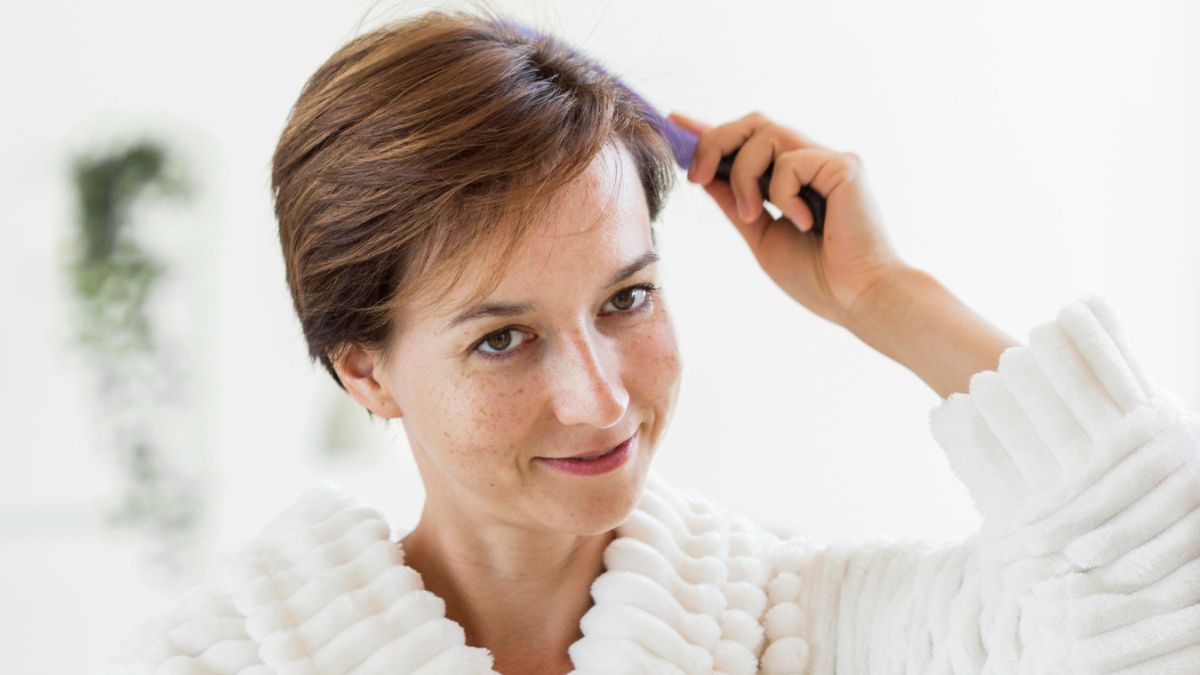
Image Credits: Freepik
Boosting Hair Health After 40
The good news? There are proactive steps you can take to maintain healthy hair well into your 40s and beyond. Dr. More emphasizes, “You don’t have to surrender to the myth of inevitable loss!”
See a Specialist Early:
Don’t wait until thinning becomes severe. A dermatologist or trichologist can diagnose the exact cause of hair loss, leading to better treatment outcomes.
Nutritional Boost:
Focus on a balanced diet rich in lean proteins, fruits, vegetables, and healthy fats. If you suspect a deficiency, consider consulting a doctor about supplements.
Stress Management:
Incorporate stress-reducing activities like yoga, meditation, or regular exercise into your routine to help regulate hormones that affect hair growth.
Modern Treatments:
Clinically proven treatments such as Minoxidil and Finasteride can help slow hair loss and stimulate new growth. Other options include Platelet-Rich Plasma (PRP) therapy.
Gentle Care:
Treat your hair with kindness. Use mild, sulfate-free shampoos, avoid excessive heat, and get regular trims to prevent split ends.
While subtle changes in hair texture may be a normal part of aging, significant thinning after 40 is not an inevitable fate. It serves as a signal that something—whether hormonal, dietary, or stress-related—needs attention. By being proactive, seeking professional advice, and making targeted lifestyle changes, you can effectively debunk the aging myth and keep your hair looking vibrant for years to come.


