Barriers to Education: International Students Face Challenges Amid Travel Bans and Restrictions
Dreams Deferred: International Students Face Hurdles Amid U.S. Travel Ban
By [Your Name]
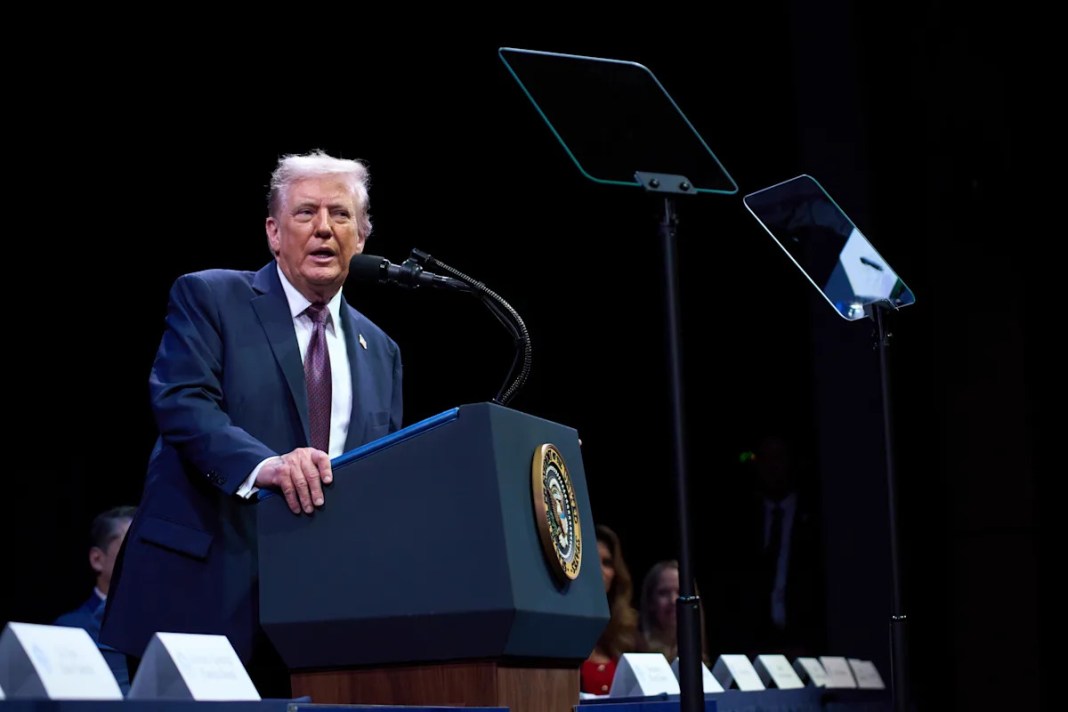
As the Taliban continues to restrict women’s access to education in Afghanistan, 21-year-old Bahara Saghari has set her sights on a brighter future in the United States. After dedicating years to mastering English—practicing up to eight hours a day—Saghari received an acceptance letter to study business administration at a private liberal arts college in Illinois. However, her dreams were dashed once again by President Donald Trump’s travel ban, which has left thousands of international students in limbo.
“You think that finally you are going to your dream, and then something comes up and like, everything’s just gone,” Saghari lamented, reflecting on her thwarted plans.
The travel ban, which affects citizens from 19 countries, has created a significant backlog in visa applications, leaving many students unable to attend American colleges this fall. Some have even reconsidered their options due to the broader immigration crackdown and the abrupt termination of legal statuses for certain students.
Last year, the U.S. State Department issued over 5,700 F-1 and J-1 visas to individuals from the affected countries, with citizens of Iran and Myanmar receiving more than half of those approvals. Yet, the current climate has left many hopeful students stranded.
A Global Perspective on Education
Pouya Karami, a 17-year-old from Shiraz, Iran, had his heart set on studying polymer chemistry at Pittsburg State University in Kansas. Like Saghari, he has deferred his admission until next year, holding onto hope as he prepares for his embassy interview and reaches out to U.S. politicians to advocate for change.
“I’m doing everything I can about it,” Karami said, embodying the determination shared by many students facing similar challenges.
The travel ban, which encompasses citizens from 12 countries across Africa, Asia, the Middle East, and the Caribbean, has left many students feeling hopeless. While some exemptions exist—such as for green card holders and dual citizens—most individuals from the banned countries find themselves unable to secure new visas.
When Trump announced the travel ban in June, he cited national security concerns and high visa overstay rates as justifications for the restrictions. The administration has indicated that the ban will remain until “identified inadequacies” in the screening processes are addressed.
The Weight of Family Expectations
In Myanmar, the stakes are equally high. An 18-year-old student, known only as Gu Gu for fear of government retribution, had his family sacrifice their stability to fund his education abroad. After receiving an acceptance letter from the University of South Florida, he was met with jubilation from his family—only to have those dreams shattered by the travel ban.
“I was all in for the U.S., so this kind of breaks my heart,” Gu Gu said, expressing the deep disappointment felt by many students who had hoped for a better life.
Seeking Alternatives
With the U.S. door closing, Saghari has turned her attention to European universities. After encountering obstacles in the admissions process, she has been accepted to a Polish university, contingent on her paying tuition upfront. Meanwhile, Amir, a 28-year-old Iranian researcher, has been forced to remain in Tehran, missing out on a fully funded opportunity at the University of Pennsylvania.
“I still would prefer to be in the U.S.,” Amir said, reflecting on the disillusionment that has set in. “You lose this idealistic view of the world.”
As students like Saghari, Karami, and Gu Gu navigate these turbulent waters, their stories serve as poignant reminders of the barriers faced by those seeking education and opportunity in the United States. While many remain hopeful for a future where their dreams can be realized, the current landscape leaves much to be desired.
___
This report was contributed to by Todd Feathers. The Associated Press’ education coverage receives financial support from multiple private foundations. AP is solely responsible for all content.


