National Parks Face Shutdown Challenges Amid Congressional Impasse
Tourists Encounter Closures and Limited Services as Funding Disputes Persist
States Step Up to Support National Parks During Federal Funding Crisis
Concerns Over Vandalism and Safety Arise with Reduced Staffing in Parks
Advocates Call for Temporary Park Closures to Prevent Damage During Shutdown
National Parks Face Uncertainty Amid Government Shutdown
As Congress grapples with a funding impasse, the National Park Service (NPS) is feeling the pinch. With the shutdown now stretching into its fourth day, numerous parks across the country have either closed their doors or significantly reduced operations, leaving visitors in a state of confusion.
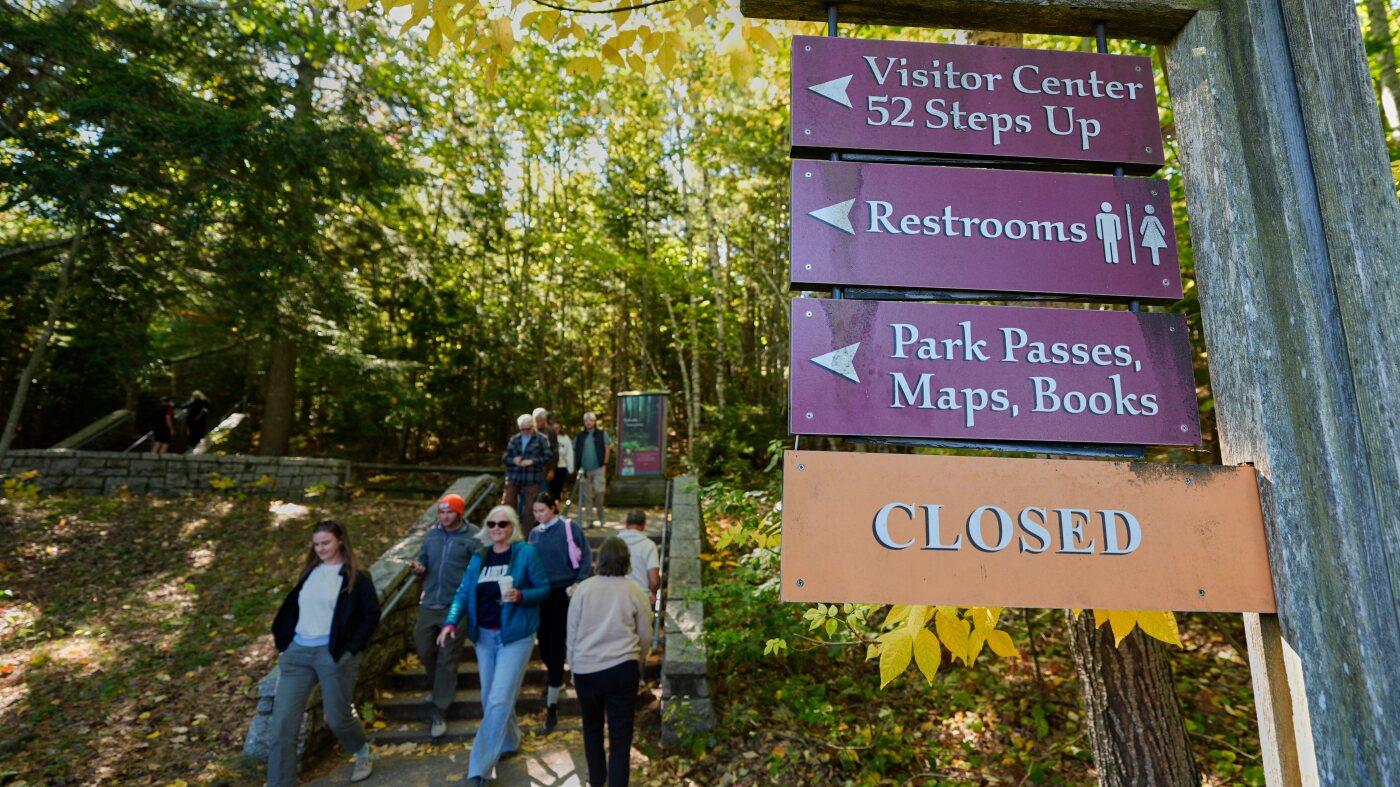
A notice on the NPS website assures the public that “national parks remain as accessible as possible during the federal government shutdown.” However, it also warns that many services may be limited or unavailable. While park roads, lookouts, and trails are generally open, essential services like regular updates on road and trail conditions have been suspended. Signs are being posted at various locations to inform visitors that only basic services will be maintained, with emergency services also facing limitations.
In some parks that collect fees, minimal services such as restroom maintenance and trash collection are still being provided. Yet, in others, visitors may find themselves without access to restrooms, trash collection, or any visitor information. The lack of clarity regarding which parks are open and what services are available has left many travelers frustrated.
States Step Up to Keep Parks Open
In response to the federal funding deadlock, several states have taken matters into their own hands. Parks in West Virginia, Utah, and Hawaii have managed to secure funds and donations to keep operations running. This proactive approach contrasts sharply with the experiences of visitors in other states, who have found their plans thwarted by closures.
Kathy Ten Eyck, who traveled from New York to visit White Sands National Park in New Mexico, was met with disappointment when she discovered the park was closed. “I just couldn’t wait to get here,” she lamented. Similarly, Kathy Theriot, who drove over five hours with her children to experience the park, expressed her heartbreak at the closure, stating, “It’s really sad that we get to the side of the road to enjoy part of our country because our elected officials can’t get along.”
Safety and Vandalism Concerns
The ongoing shutdown has raised alarms about safety and the potential for vandalism in national parks. With limited staffing, some parks, including Texas’ Big Bend and Padre Island National Seashore, will remain open but may lack adequate personnel to ensure visitor safety. Past shutdowns have seen incidents of vandalism, such as the defacement of ancient rock formations at Big Bend.
Advocates for national parks are urging a complete closure of parks that cannot maintain adequate staffing levels. Stephanie Kurose, deputy director of government affairs at the Center for Biological Diversity, criticized the decision to keep parks open under these conditions, stating, “We’ve seen the irreparable harm that can happen when our parks go understaffed.”
The National Parks Conservation Association (NPCA) has echoed these concerns, calling for parks to close until federal funding is restored. “It’s not just irresponsible; it’s dangerous,” said NPCA president and CEO Theresa Pierno.
A Call for Action
As the government shutdown continues, the future of national parks hangs in the balance. With visitors eager to explore these natural treasures, the lack of clarity and safety raises pressing questions about the management of these beloved sites. As advocates push for a resolution, the hope remains that Congress will act swiftly to restore funding and ensure the protection of America’s national parks.