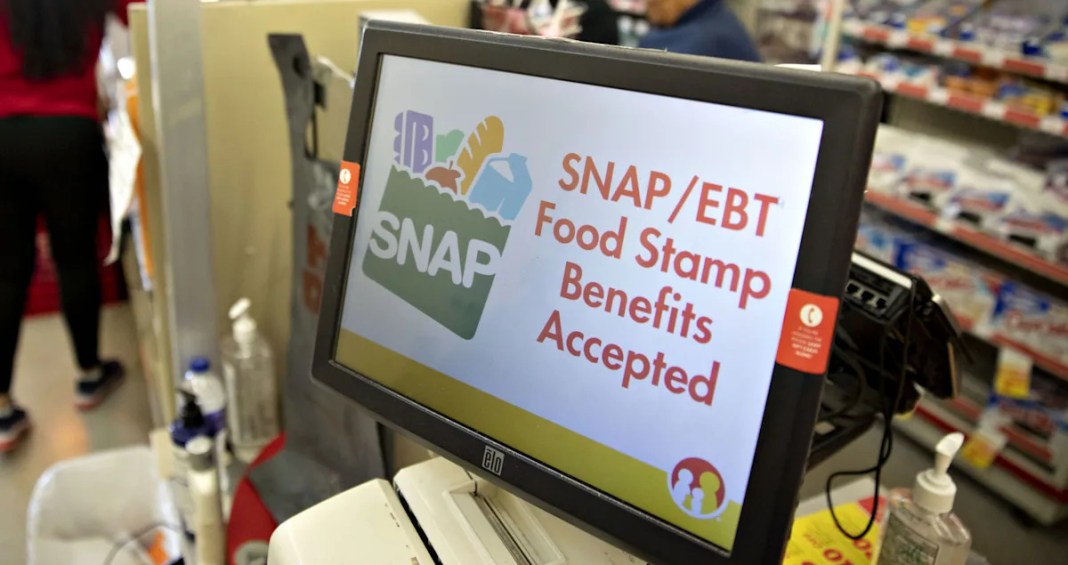
Government Shutdown Leaves 42 Million Americans Without SNAP Benefits This November
Government Shutdown Leaves 42 Million Americans Without SNAP Benefits
November 1, 2023 — Nearly 42 million Americans will find themselves without their monthly Supplemental Nutrition Assistance Program (SNAP) benefits due to the ongoing government shutdown, as confirmed by the U.S. Department of Agriculture (USDA). The department announced that it will not be disbursing funds to states for the program, commonly known as food stamps, amid a stalemate in Congress.
“Bottom line, the well has run dry,” reads a stark message on the USDA website, underscoring the urgency of the situation.
Agriculture Secretary Brooke Rollins had been sounding alarms since mid-October, warning that without a resolution in Congress, there would not be enough funds to cover November’s benefits. With only days left in the month, signs of progress remain elusive on Capitol Hill.
While several bills have been proposed to fund SNAP during the shutdown, none have gained traction. Some experts argue that the USDA could utilize an estimated $5 to $6 billion in contingency funds to partially cover the November benefits. However, a recent memo from the department stated that these funds are reserved for unforeseen events, such as natural disasters.
Bipartisan efforts to secure funding for SNAP have emerged, but they face significant hurdles. GOP Senator Josh Hawley introduced a bill that would allocate money for SNAP and military payroll, while a proposal from Democrat Ben Ray Luján is unlikely to receive a Senate vote. Republican Senate Majority Leader John Thune criticized these efforts as “a cynical attempt to buy political cover for Democrats.” Even if one of the bills were to pass the Senate, it would still need approval from a House that has been out of session throughout the shutdown.
President Trump has assured that his administration will find a way to fund SNAP, though he has not provided specific details. “We’re going to get it done,” he told reporters aboard Air Force One.
In the absence of federal support, some states are stepping up to assist their residents. Virginia Governor Glenn Youngkin declared a state of emergency last week, allowing the state to cover costs for its 850,000 SNAP recipients. Virginia is one of the few states with a budget surplus, enabling it to allocate approximately $150 million per month for SNAP benefits.
However, many states lack the financial resources to fully replace the missing federal funds. States like California, New York, Colorado, and New Mexico have pledged millions to food banks, but these contributions are a fraction of the federal support typically received. For instance, California plans to provide $80 million to food banks, while the state usually receives over $1 billion in SNAP funding monthly.
In a further escalation, more than two dozen states filed a lawsuit on Tuesday, urging a federal court to compel the Trump administration to utilize the USDA’s emergency fund for SNAP benefits.
What is SNAP?
SNAP is the nation’s largest food assistance program, providing benefits to approximately 12% of the U.S. population, with an average monthly benefit of $187. Originally established during the Great Depression, SNAP has seen enrollment soar in recent decades, with nearly 42 million Americans relying on it last year at a cost exceeding $100 billion.
Who Receives SNAP Benefits?
SNAP primarily supports low-income Americans, helping to alleviate food insecurity. The program has proven effective in reducing hunger and lifting individuals out of poverty. Most funding goes to children, elderly individuals, and adults with disabilities, with only 13% of recipients being childless adults.
In 2023, 86% of SNAP funding was directed to those living below the poverty line, with a significant portion going to individuals in deep poverty. For many families, SNAP benefits constitute a substantial part of their monthly income, accounting for 42% of the income for households with children.
SNAP at Risk Even Before the Shutdown
November 1 also marks the implementation of new SNAP rules that tighten work requirements for able-bodied recipients, part of a Republican-sponsored bill passed earlier this year. These changes are expected to reduce federal funding for food assistance by $187 billion over the next decade.
As the government shutdown continues, the future of SNAP hangs in the balance, leaving millions of Americans anxious about their ability to access essential food resources.


